This article is part of our complete guide: People First AI: A Complete Guide for Nonprofits.
People first AI means adopting technology in a way that serves your staff and the people you exist to help, rather than the other way around. It keeps human judgment and your mission ahead of the hype, and it uses AI to take care of busywork so your team can spend more time on the relationships that matter.
You have heard a lot about artificial intelligence over the past year or two as it has moved into the workplace. Some people are excited. Others are worried. Many are simply overwhelmed and unsure if and how it can be useful for them. In the nonprofit sector, those feelings come with additional questions about mission and ethics, the impact on staff, and the people you serve.
One of the greatest concerns about AI is that it will eliminate jobs and leave people scrambling to figure out what comes next. That concern is valid. But I believe the nonprofit sector is unique, and that fear may be somewhat overblown given the nature of the work we do.
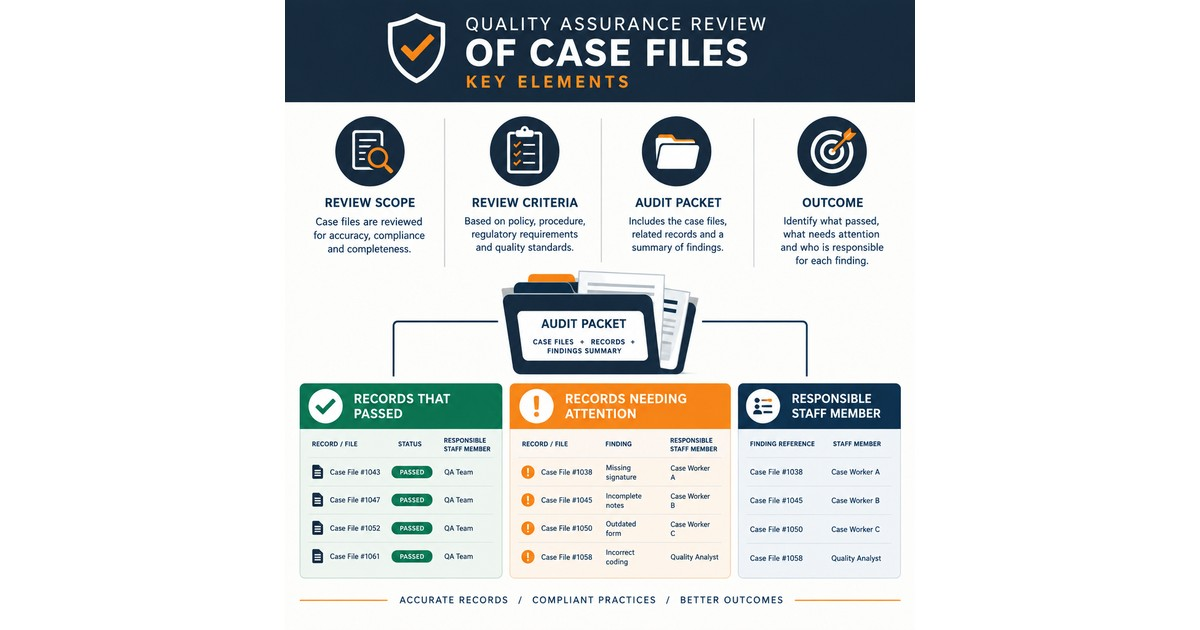
I have never heard a nonprofit employee say they did not have enough to do. In every nonprofit organization I have worked with or been close to over more than 25 years, staff were always running in several directions at once, busy serving individuals and working in the community. Add in the time spent filling out timesheets, tracking grant hours, recording case notes in a database, and you get the picture. Most people in the nonprofit world will tell you there are simply not enough hours in the day. Further, much of the work done by nonprofit organizations requires a human-centered approach. While we can implement automation and AI to handle many tasks, the reality is that much of what we do in the sector involves real human intervention, support, and connection. AI does not change that reality.
What a People First AI Approach Looks Like
A People First approach to AI places our teams at the center of how we think about technology, and how the people we serve can benefit from it. It means the tools we use are chosen, implemented, and evaluated based on whether they genuinely support the humans doing the work and the people receiving services.
People First AI at Every Level of the Organization
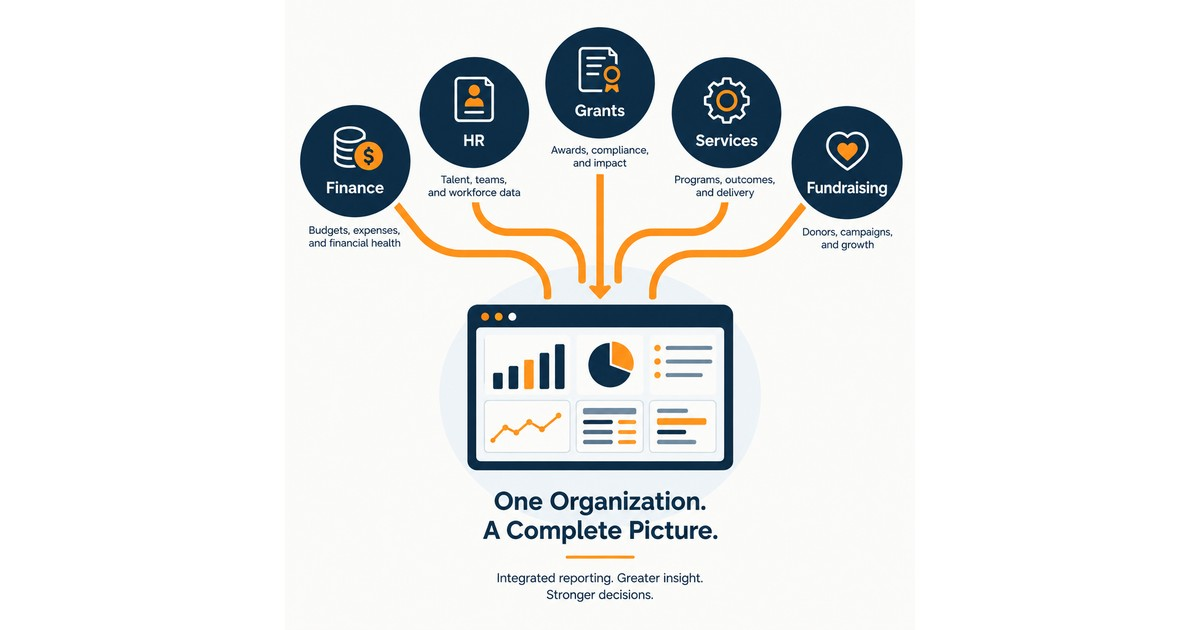
For executives and senior leaders, that looks like using AI to reduce administrative burden so your team spends more time on the work that matters. It means making decisions backed by better data and maintaining workloads that are sustainable enough to retain great people.
For frontline staff and program managers, it looks like getting help with first drafts of reports, case notes, and emails, so their judgment and relationships stay at the center of the work.
For board members, it means asking the right governance questions. Are we using technology in ways that reflect our values? Are we protecting the privacy of those we serve? Are we investing in training so our staff can use these tools confidently?
AI presents real concerns that society continues to work through. Even so, I believe that failing to examine how it can change our work means missing an opportunity to be more effective for the people we serve. I also believe that nonprofits are well positioned to lead conversations about the social and economic impacts of AI on society. The organizations that will thrive are the ones that approach AI thoughtfully, not the ones that avoid it entirely.
People First AI means moving with intention rather than speed. It means identifying opportunities where automation and AI can move your organization forward, developing a strategy so it complements and supports your culture and the technology you are already using, bringing staff and board members into the conversation early, creating clear guidelines for how tools are used, and providing real training so nobody is left behind.
Common Questions
What does People First AI mean? Putting your mission, your staff, and the people you serve ahead of the technology, in that order. A tool earns its place only when it serves those three first.
Is People First AI anti-technology? No. It is a way of choosing technology deliberately, so the tools you do adopt genuinely support the people doing the work.
How does a nonprofit start with People First AI? Pick one repetitive, low-stakes task that keeps a good person from better work, try a tool against it, and have a person review everything it produces.
Will AI replace nonprofit staff? The relational core of nonprofit work cannot be automated. Used the People First way, AI absorbs busywork and gives your team more time for the people in front of them.
Want to talk through what People First AI could look like at your organization? I am glad to talk it through with you, no jargon, just your questions and straight answers. Schedule a call with me at calendly.com/larry-nonprofitnext/30min.
Larry is the co-founder and Principal Innovation Strategist at NonprofitNext. Learn more at nonprofitnext.ai.